इंजीनियरिंग विनिर्देशन गाइड: बस लाइन टोपोलॉजी, मल्टी-पाथ IP प्रोटोकॉल और CMS रिसीवर इंटरऑपरेबिलिटी के आधार पर वाणिज्यिक अलार्म पैनल निर्माताओं का मूल्यांकन
वाणिज्यिक घुसपैठ अलार्म पैनल निर्माता का मूल्यांकन केवल हार्डवेयर कीमत की तुलना नहीं है। यह आर्किटेक्चर, इंटरऑपरेबिलिटी, फील्ड परिनियोजन और लाइफसाइकिल का मूल्यांकन है।
किसी पैनल में अधिक ज़ोन, कम यूनिट कीमत या बड़ा एनक्लोजर होने के बावजूद परिनियोजन के बाद कुल लागत बढ़ सकती है, यदि उसकी RS-485 बस को इंजीनियर करना कठिन हो, संचार पाथ अनिश्चित रूप से विफल हो, रिपोर्टिंग प्रोटोकॉल केवल आंशिक रूप से लागू हो, या CMS रिसीवर इवेंट को पैनल से अलग तरीके से व्याख्यायित करे।
डिस्ट्रिब्यूटर्स, सुरक्षा आयातकों, OEM ब्रांड मालिकों और सुरक्षा सिस्टम इंटीग्रेटर्स के लिए अधिक उपयोगी खरीद प्रश्न यह है कि क्या निर्माता एक ऐसा दस्तावेजीकृत और परीक्षण योग्य प्लेटफॉर्म प्रदान कर सकता है जो फील्ड डिवाइस से लेकर अलार्म पैनल, संचार पाथ, रिसीवर, CMS वर्कफ़्लो, इंटीग्रेशन लेयर और भविष्य के प्रोडक्ट रिविज़न तक व्यावहारिक रूप से कार्य करता रहे।
तुलना के लिए प्रकाशित निर्माता प्लेटफॉर्म के एक उदाहरण के रूप में Athenalarm AS-9000 Addressable Intrusion Alarm Control Panel को देखा जा सकता है।
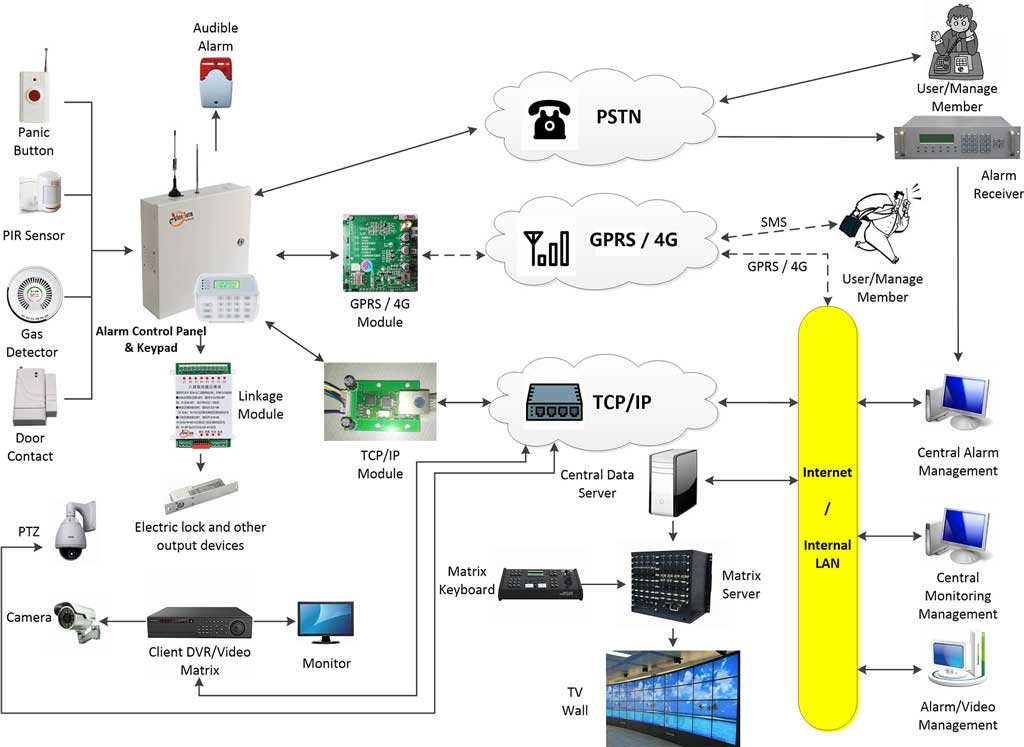
एक वाणिज्यिक अलार्म पैनल को निम्नलिखित परस्पर संबंधित इंजीनियरिंग स्तरों पर देखा जाना चाहिए:
| इंजीनियरिंग स्तर | मुख्य चिंता | मांगा जाने वाला प्रमाण |
|---|---|---|
| भौतिक स्तर | ज़ोन, RS-485, पावर, सुरक्षा और विस्तार | विद्युत विनिर्देशन और इंस्टॉलेशन दस्तावेज |
| संचार स्तर | Ethernet, cellular, PSTN, supervision और failover | संचार विनिर्देशन, कॉन्फ़िगरेशन रिकॉर्ड और परीक्षण रिपोर्ट |
| प्रोटोकॉल स्तर | SIA DC-09, Contact ID और proprietary interfaces | प्रोटोकॉल घोषणा, implementation details और interoperability records |
| मॉनिटरिंग और इंटीग्रेशन स्तर | रिसीवर, CMS, VMS, access control और APIs | End-to-end integration और field testing |
कई वाणिज्यिक अलार्म विफलताएं किसी एक उत्पाद के भीतर नहीं बल्कि इन स्तरों के बीच उत्पन्न होती हैं। कोई पैनल intrusion event को सही तरीके से detect कर सकता है, लेकिन monitoring center को event प्राप्त न हो। Communicator Ethernet link उपलब्ध दिखा सकता है, जबकि receiver के साथ application session काम करना बंद कर चुका हो। RS-485 module commissioning के समय ठीक काम कर सकता है, लेकिन voltage drop, cable capacitance, grounding या electromagnetic interference बढ़ने पर intermittent हो सकता है।
डिस्ट्रिब्यूटर के लिए ऐसी समस्या installation delay, replacement stock, technical support cases, warranty exposure और fragmented installed base में बदल सकती है।
इसलिए निर्माता को केवल hardware supplier के रूप में नहीं, बल्कि engineering platform के रूप में qualify करना अधिक उपयोगी है। यही दृष्टिकोण commercial building, logistics facility, industrial site, retail chain, campus, multi-tenant property और distributed multi-site monitoring architecture पर लागू किया जा सकता है। OEM या ODM निर्माता के platform पर private-label alarm portfolio बनाने वाले distributor के लिए भी यही framework उपयोगी है।
RS-485 अलार्म बस टोपोलॉजी और वाणिज्यिक परिनियोजन
वाणिज्यिक अलार्म पैनल में पहला प्रमुख hardware प्रश्न यह है कि alarm system का expansion किस प्रकार किया जाता है।
Conventional hardwired zones में सामान्यतः individual detector circuits या localized loops के लिए dedicated conductors उपयोग होते हैं। Addressable RS-485 architecture में अनेक devices या expansion modules एक shared bus पर communicate कर सकते हैं।
किसी एक architecture को स्वतः बेहतर मानना उचित नहीं है। छोटे property और short cable runs के लिए conventional hardwired zones installation और maintenance में सरल हो सकते हैं। बड़े commercial facility में, जहां कई distributed modules और monitored points हों, addressable expansion device identity और system growth को अधिक structured तरीके से व्यवस्थित कर सकता है। Hybrid architecture onboard zones, addressable expansion और wireless devices को एक ही system में जोड़ सकता है, जब site पर wiring conditions अलग-अलग हों।
| Architecture | Typical wiring model | Expansion strategy | Practical fit |
|---|---|---|---|
| Conventional hardwired | Dedicated circuits | Physical I/O द्वारा सीमित | Small और medium installations |
| Addressable RS-485 | Shared bus | Multiple addressable devices और modules | Commercial और industrial deployments |
| Hybrid | Onboard, bus और wireless | Layered expansion | Mixed और scalable projects |
इसलिए procurement प्रश्न केवल यह नहीं होना चाहिए कि manufacturer RS-485 support करता है या नहीं। प्रश्न यह होना चाहिए कि manufacturer ने अपने RS-485 implementation के लिए किन operating conditions को परिभाषित किया है।
एक meaningful technical specification में cable characteristics, conductor size, maximum device loading, topology, addressing, termination, branch limitations, power distribution, grounding, shielding और diagnostic behavior स्पष्ट होना चाहिए।
RS-485 डिफरेंशियल अलार्म बस का व्यावहारिक मूल्य
Addressable bus का practical value केवल लंबी cable दूरी नहीं है। इसका मूल्य shared field network पर communication और device identity को व्यवस्थित करने में है।
किसी logistics facility में कई electrical rooms और सैकड़ों monitored points हो सकते हैं। Conventional architecture में technician को fault location के लिए individual circuits trace करने पड़ सकते हैं। सही तरीके से engineered addressable architecture में system किसी fault को specific addressable module या device से associate कर सकता है, जिससे maintenance अधिक structured हो सकती है।
लेकिन addressability physical-layer problems को समाप्त नहीं करती।
RS-485 डिफरेंशियल अलार्म बस voltage drop, cable resistance, लंबे stubs, incorrect termination, ground potential differences, electromagnetic interference, overloaded power distribution, damaged connectors और incorrect addressing से प्रभावित हो सकती है।
इसलिए manufacturer qualification को RS-485 interface के नाम पर नहीं बल्कि उसके चारों ओर परिभाषित engineering conditions पर आधारित होना चाहिए।
वाणिज्यिक खरीद के लिए RS-485 evidence
Manufacturer से कम से कम निम्नलिखित जानकारी मांगनी चाहिए:
- Approved RS-485 topology.
- Cable type और conductor-size assumptions.
- Maximum connected device loading.
- Addressing method और address limitations.
- Termination requirements.
- Branch और stub limitations.
- Bus और connected devices के लिए power-distribution assumptions.
- Grounding और shielding requirements.
- Communication fault detection.
- Bus conductor failure के बाद expected diagnostic behavior.
- Device power loss की स्थिति में system behavior.
- Duplicate address की स्थिति में behavior.
- Intermittent communication की diagnosis method.
- Far-end supply voltage के operating threshold से नीचे जाने पर expected behavior.
यदि manufacturer RS-485 topology, branching, termination और maximum loading की स्पष्ट परिभाषा नहीं देता, तो field engineering risk बढ़ता है।
एक procurement specification में केवल “RS-485 supported” लिखना पर्याप्त engineering evidence नहीं है।
लंबी अलार्म बस में DC वोल्टेज ड्रॉप और दूरस्थ डिवाइस स्थिरता
“Maximum bus distance” को अकेले specification के रूप में देखना उपयोगी नहीं है। दूरी तभी meaningful है जब calculation की assumptions ज्ञात हों।
Practical installation में cable resistance, conductor gauge, cable capacitance, communication speed, device count, device current consumption, power distribution, topology, termination, temperature और electromagnetic environment जैसे variables महत्वपूर्ण होते हैं।
सबसे महत्वपूर्ण distinction यह है कि communication distance और power-delivery distance दो अलग engineering problems हैं।
एक cable किसी निश्चित दूरी तक data transmit कर सकती है, जबकि वही cable remote module को पर्याप्त supply voltage प्रदान करने में सक्षम न हो।
विस्तारित फील्ड बस कॉपर लाइन DC वोल्टेज ड्रॉप निवारण
प्रारंभिक voltage-drop calculation के लिए:
[ V_{drop}=I\times R_{total} ]
और:
[ R_{total}=R_{wire}\times L_{round-trip} ]
Two-wire DC power circuit में electrical path में outgoing और returning conductor दोनों शामिल होते हैं। इसलिए effective length लगभग physical one-way distance का दो गुना होती है।
उदाहरण के लिए, यदि कोई remote module power source से 200 m दूर है और 100 mA current लेता है, तथा illustrative AWG 22 conductor resistance लगभग 0.053 Ω/m है, तो:
[ L_{round-trip}=2\times200=400,m ]
[ R_{total}=0.053\times400=21.2,\Omega ]
इस स्थिति में:
[ V_{drop}=0.1\times21.2=2.12,V ]
Nominal 12 V system पर यह loss material हो सकता है।
यदि current 300 mA हो:
[ V_{drop}=0.3\times21.2=6.36,V ]
यह illustrative calculation है। यह manufacturer की actual cable specification या site-level engineering calculation का विकल्प नहीं है। इसका उद्देश्य केवल यह दिखाना है कि “supports 200 m” जैसी statement अपने आप में incomplete है।
वास्तविक engineering प्रश्न यह होना चाहिए:
सबसे दूर स्थित device पर maximum expected simultaneous load के दौरान कितना voltage और communication margin उपलब्ध रहता है?
यही वह figure है जिसे system integrator वास्तविक project design में उपयोग कर सकता है।
जब multiple keypads, expanders, sirens, communicators या अन्य peripherals एक shared supply architecture पर निर्भर हों, तो केवल device count नहीं बल्कि total current demand देखा जाना चाहिए:
[ I_{total}=I_1+I_2+I_3+\cdots+I_n ]
Manufacturer को यह स्पष्ट करना चाहिए कि stated bus capacity किस चीज को दर्शाती है:
- Communication loading.
- Powered-device loading.
- Continuous operating current.
- Alarm-state current.
- Peak current.
Conductor gauge और remote stability
AWG 18, AWG 20 और AWG 22 interchangeable installation choices नहीं हैं। उनकी resistance characteristics voltage drop और available field margin को प्रभावित करती हैं।
इसलिए long commercial run के लिए manufacturer को एक single maximum-distance figure के साथ conductor-size और device-load assumptions भी देनी चाहिए।
एक practical engineering sequence है:
- Connected device count निर्धारित करें।
- प्रत्येक device की current demand निर्धारित करें।
- Total current demand निर्धारित करें।
- Conductor resistance निर्धारित करें।
- Total electrical path length निर्धारित करें।
- Expected voltage drop calculate करें।
- सबसे दूर device पर actual voltage verify करें।
- उपलब्ध communication margin verify करें।
दूरस्थ device के पास maximum actual load पर DC voltage drop module को unstable या offline कर सकता है। यदि RS-485 communication failure दिखाई दे, तो केवल protocol fault मानने के बजाय power-distribution और far-end voltage की भी जांच करनी चाहिए।
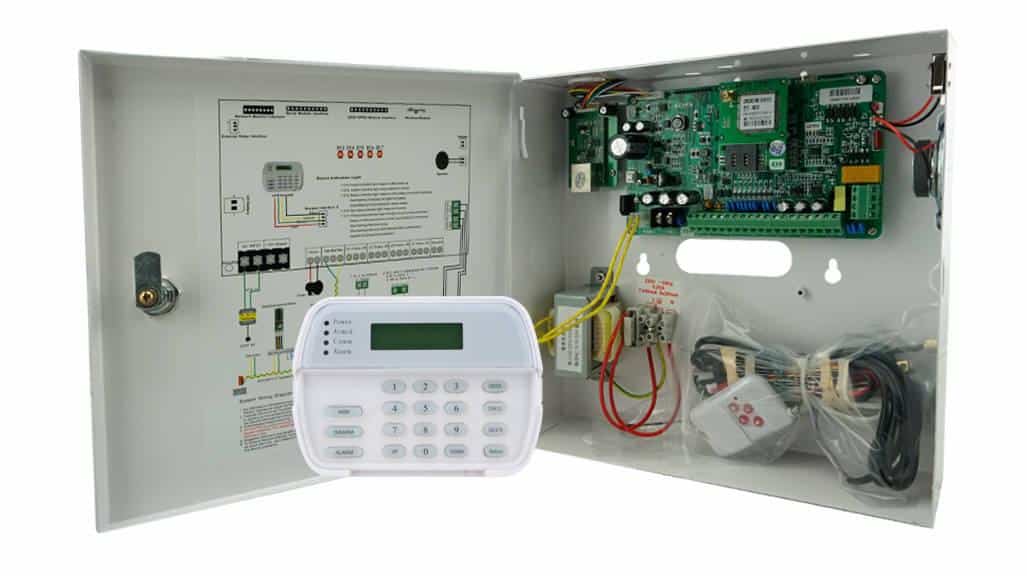
ड्यूल-पाथ नेटवर्क संचार और वास्तविक पाथ स्वतंत्रता
Dual-path communication को केवल “Ethernet + 4G” के रूप में परिभाषित करना पर्याप्त नहीं है। मुख्य engineering property path independence है।
Ethernet building LAN, ISP, routing और firewall पर निर्भर हो सकता है। 4G LTE carrier availability, coverage, SIM configuration, APN policy और cellular congestion पर निर्भर हो सकता है। दोनों paths एक ही alarm panel processor और power supply पर भी निर्भर रह सकते हैं।
इसलिए दो communication interfaces की मौजूदगी स्वतः दो स्वतंत्र communication paths सिद्ध नहीं करती।
| Communication path | सामान्य भूमिका | सामान्य failure mode | मुख्य engineering concern |
|---|---|---|---|
| Ethernet/IP | Primary | LAN, ISP, routing या firewall failure | क्या application session वास्तव में supervised है? |
| 4G LTE | Primary या backup | Carrier, coverage, SIM, APN या congestion | क्या cellular path operationally independent है? |
| PSTN | Legacy या fallback | Infrastructure retirement या line failure | क्या target market में इसकी अभी आवश्यकता है? |
दो physical interfaces एक ही enclosure में होने पर भी निम्न common failure points बने रह सकते हैं:
- Power supply.
- Processor.
- Enclosure.
- Site configuration.
- Monitoring account.
- Physical antenna location.
- Local environmental conditions.
इसलिए path independence interface count का नहीं बल्कि architecture का प्रश्न है।
संचार पाथ की वास्तविक स्वतंत्रता कैसे qualify करें
Manufacturer qualification में यह स्पष्ट होना चाहिए कि primary और secondary communication paths किन common resources को share करते हैं।
एक useful qualification matrix में निम्न प्रश्न शामिल होने चाहिए:
| परीक्षण क्षेत्र | सत्यापन प्रश्न |
|---|---|
| Power | क्या दोनों communication paths एक ही power source पर निर्भर हैं? |
| Processing | क्या दोनों paths एक ही processor या communication stack पर निर्भर हैं? |
| Site infrastructure | क्या दोनों paths एक ही local network या site equipment पर निर्भर हैं? |
| Network | क्या primary और secondary paths की upstream dependencies अलग हैं? |
| Monitoring | क्या दोनों paths एक ही monitoring account और receiver configuration पर terminate होते हैं? |
| Antenna | क्या cellular communication के लिए physical antenna environment अलग failure condition दे सकता है? |
| Failover | Primary path failure पर secondary path किस documented condition में सक्रिय होता है? |
| Restoration | Primary path restore होने पर system किस behavior का पालन करता है? |
PSTN को target market और installed monitoring infrastructure के अनुसार evaluate करना चाहिए। जहां legacy telephone infrastructure retire हो रही हो, वहां PSTN का practical value कम हो सकता है, जब तक project किसी existing legacy receiver या migration strategy पर निर्भर न हो।
वास्तविक पाथ स्वतंत्रता का procurement evidence
Manufacturer से केवल communication-interface list न लेकर communication architecture document मांगना चाहिए। इसमें कम से कम primary path, secondary path, common dependencies, failure detection, supervision, ACK behavior, retry और restoration behavior शामिल होने चाहिए।
सुपरवाइज़्ड पोलिंग सुपरविजन कीप-अलाइव हार्टबीट
Dual-path communication की वास्तविक reliability को समझने के लिए heartbeat और supervision behavior को independently qualify करना आवश्यक है।
Communication failure केवल cable disconnect होने पर नहीं होता। Physical interface active दिखाई दे सकता है जबकि application session receiver के साथ काम करना बंद कर चुका हो।
Supervision mechanism को इस स्थिति को detect करना चाहिए।
एक commercial monitoring environment में heartbeat behavior को केवल panel-level feature नहीं माना जा सकता। CMS हजारों या उससे अधिक connected accounts monitor कर सकता है। इसलिए heartbeat size, polling interval, account count, network latency, cellular traffic, receiver processing load, reconnect behavior और offline timeout operational capacity को प्रभावित करते हैं।
बहुत aggressive timeout temporary latency के दौरान false offline indication पैदा कर सकता है। बहुत लंबा timeout genuine communication failure की पहचान में delay पैदा कर सकता है।
Heartbeat और failure detection के लिए आवश्यक parameters
| Parameter | Procurement concern |
|---|---|
| Heartbeat interval | कितनी बार supervision message भेजा जाता है |
| Session supervision | Application session की वास्तविक स्थिति कैसे निर्धारित होती है |
| Timeout | कितने समय बाद communication path को failed माना जाता है |
| Verification timer | Failure confirmation से पहले कितनी verification होती है |
| ACK | Receiver acknowledgement को किस प्रकार qualify किया जाता है |
| Retry | Failed transmission के बाद retry behavior क्या है |
| Reconnection | Connection restore होने पर session कैसे पुनःस्थापित होती है |
| Duplicate handling | Reconnection या retry के दौरान duplicate event कैसे handle होते हैं |
| CMS reporting | Offline और restored conditions CMS में कैसे दिखाई देती हैं |
Heartbeat, timeout और session-supervision behavior अस्पष्ट होने पर वास्तविक communication failure देर से या गलत तरीके से पहचानी जा सकती है।
Communication failure qualification
Manufacturer को failure conditions अलग-अलग document करनी चाहिए:
- Physical network failure.
- Application session failure.
- Heartbeat failure.
- Receiver acknowledgement failure.
- Temporary latency.
- Primary path interruption.
- Secondary path activation.
- Primary path restoration.
- Reconnection after receiver session loss.
प्रत्येक condition के लिए expected panel state, communication path state, receiver behavior और CMS event behavior अलग-अलग रिकॉर्ड किया जाना चाहिए।
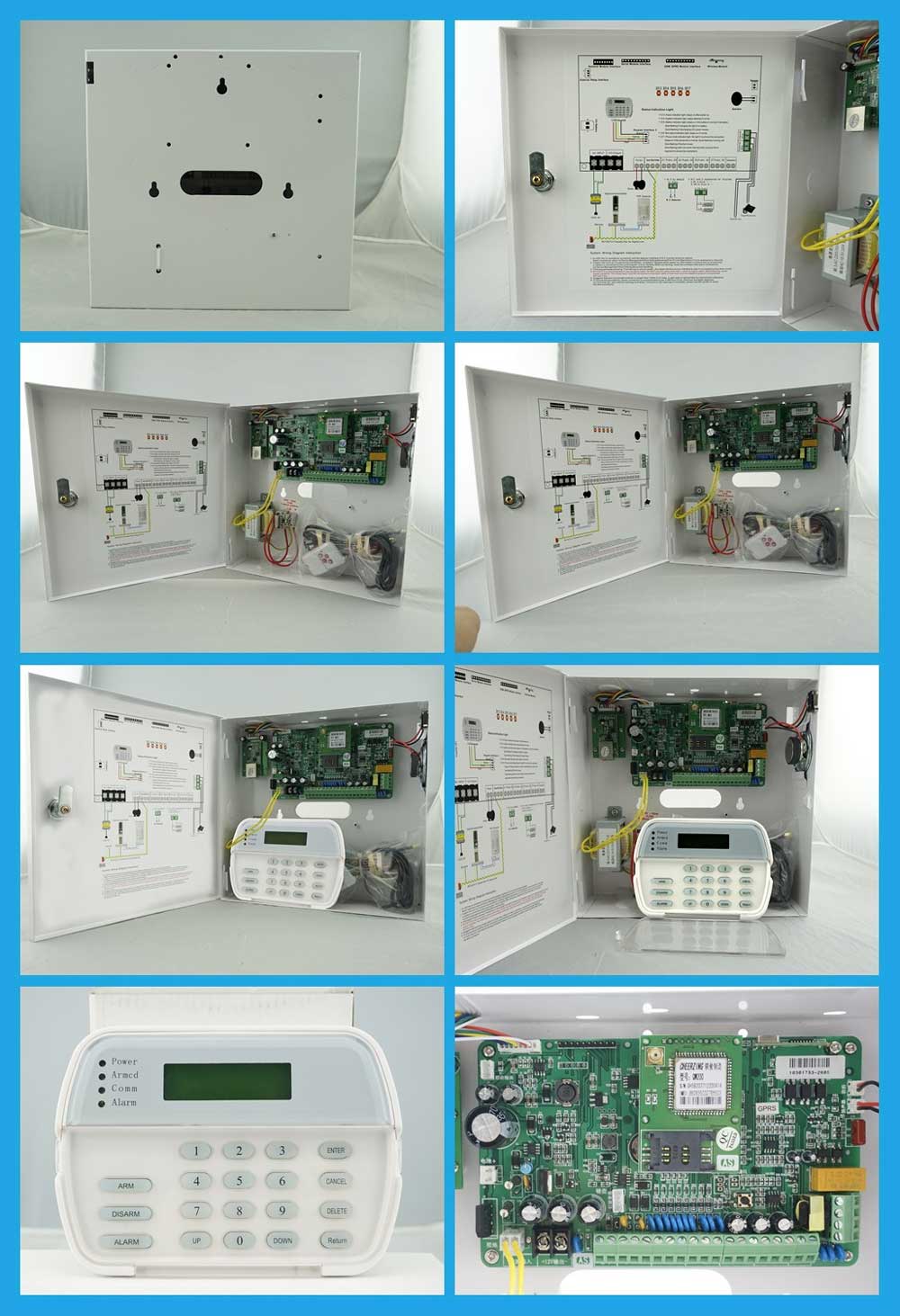
SIA DC-09 समर्थन की इंजीनियरिंग पुष्टि
Protocol terminology alarm procurement में गलत assumptions का एक सामान्य स्रोत है।
यदि supplier केवल “Supports SIA” लिखता है, तो यह पर्याप्त engineering statement नहीं है।
Procurement team को पूछना चाहिए:
- कौन-सा standard?
- कौन-सा revision?
- कौन-सा transport method?
- कौन-से event classes?
- कौन-सा receiver?
- कौन-सा acknowledgement behavior?
- कौन-सी security configuration?
- कौन-सा panel firmware?
- कौन-सा communicator firmware?
- कौन-सी receiver configuration?
- क्या वास्तविक interoperability test record उपलब्ध है?
SIA DC-09 support को नामित feature के रूप में नहीं बल्कि tested implementation के रूप में qualify करना चाहिए।
Native IP reporting और protocol conversion
एक महत्वपूर्ण engineering प्रश्न यह है कि alarm communication implementation documented IP event-reporting protocol का सीधे उपयोग करता है या legacy format को proprietary gateway के माध्यम से transport करता है।
Protocol conversion installed base migration के दौरान उपयोगी हो सकता है, लेकिन इससे एक अतिरिक्त processing layer और संभावित vendor dependency जुड़ सकती है।
यदि legacy alarm event को IP transport के लिए convert किया जाता है, तो procurement qualification में निम्न तत्वों की पहचान करनी चाहिए:
| Evaluation point | Verification |
|---|---|
| Original event format | Event किस format में उत्पन्न होता है |
| Conversion layer | Conversion किस device या software में होता है |
| IP transport | Converted event किस communication method से भेजा जाता है |
| Receiver | कौन-सा receiver event स्वीकार करता है |
| Parsing | Receiver event को कैसे interpret करता है |
| ACK | Acknowledgement किस स्तर पर उत्पन्न होता है |
| Event mapping | Original event CMS में किस event type में दिखाई देता है |
| Firmware dependency | Conversion behavior किस firmware version पर निर्भर है |
SIA DC-09 procurement test
एक practical qualification test में actual receiver configuration के साथ alarm, restore और communication-related events generate किए जाने चाहिए।
कम से कम निम्न evidence capture किया जाना चाहिए:
- Exact SIA DC-09 revision.
- Transport method.
- Security configuration.
- Supervision configuration.
- Supported event types.
- Receiver configuration.
- Account configuration.
- ACK behavior.
- Panel firmware version.
- Communicator firmware version.
- Interoperability test record.
सिर्फ datasheet में SIA DC-09 लिखा होना वास्तविक interoperability का प्रमाण नहीं है।
IEC 61000-4-5 जैसे technical references surge-related testing के लिए standardized framework प्रदान कर सकते हैं, लेकिन किसी reference का अस्तित्व अपने आप field installation को सभी surge या lightning conditions से immune नहीं बनाता।
इसी तरह protocol declaration को actual receiver test का विकल्प नहीं माना जाना चाहिए।
Contact ID और विरासत मॉनिटरिंग अवसंरचना
Ademco Contact ID एक अलग alarm communication format है और legacy monitoring infrastructure के साथ integration में महत्वपूर्ण हो सकता है।
Contact ID reference के संदर्भ में procurement team को event semantics, receiver dependency और existing CMS requirements को अलग-अलग समझना चाहिए।
नई IP architecture में legacy event formats को transport करना केवल network connectivity का प्रश्न नहीं है। Event format को सही तरीके से preserve, transport, decode और CMS में interpret किया जाना चाहिए।
Legacy event migration के मुख्य engineering points
| क्षेत्र | मूल्यांकन प्रश्न |
|---|---|
| Event semantics | Original Contact ID event का अर्थ क्या है? |
| Encoding | Raw event structure कैसे preserve होती है? |
| Transport | Legacy event किस communication path से भेजी जाती है? |
| Receiver | कौन-सा receiver format decode करता है? |
| CMS | CMS event को किस account और event type से map करता है? |
| ACK | Receiver acknowledgement किस स्तर पर दिया जाता है? |
| Migration | Existing receiver और नई IP architecture के बीच dependency क्या है? |
| Compatibility | Existing installed base के लिए कौन-सी compatibility आवश्यक है? |
Contact ID को केवल “supported protocol” के रूप में देखने के बजाय existing monitoring infrastructure dependency के रूप में qualify करना चाहिए।
यदि target CMS Contact ID पर निर्भर है, तो वास्तविक receiver configuration के साथ event generation और interpretation test किया जाना चाहिए।
CMS रिसीवर इंटरऑपरेबिलिटी का एंड-टू-एंड सत्यापन
Alarm system का operational value तभी है जब event पूरी transmission chain से गुजरकर सही operator workflow तक पहुंचे।
End-to-end architecture में निम्न स्तरों को अलग-अलग qualify किया जाना चाहिए:
| स्तर | मुख्य verification |
|---|---|
| Detector | Correct event generation |
| Alarm panel | Correct event classification और logging |
| Communicator | Event processing और transmission |
| Primary network | Session और transport availability |
| Secondary network | Failover और alternate transmission |
| Alarm receiver | Event acceptance और decoding |
| Protocol parser | Correct interpretation |
| Account configuration | Correct customer और system association |
| ACK | Correct acknowledgement |
| CMS | Correct event mapping |
| Operator workflow | Correct displayed information और response context |
हर integration boundary अलग failure point है।
Detector सही तरीके से operate कर सकता है जबकि panel event को गलत classify करे। Panel event को सही तरीके से log कर सकता है जबकि communicator transmission में failure करे। Communicator event transmit कर सकता है जबकि receiver उसे reject करे। Receiver event accept कर सकता है जबकि CMS उसे गलत zone या account में map करे।
इसीलिए end-to-end testing communication-interface list से अधिक meaningful है।
CMS interoperability test sequence
एक qualification test को पूरी event lifecycle cover करनी चाहिए:
- Detector या equivalent input से alarm event generate करें।
- Panel event log verify करें।
- Communicator द्वारा event processing verify करें।
- Primary transmission session verify करें।
- Receiver द्वारा event acceptance verify करें।
- Receiver acknowledgement verify करें।
- CMS protocol parser behavior verify करें।
- Account configuration verify करें।
- CMS event mapping verify करें।
- Operator display पर correct information verify करें।
- Restore event generate करें।
- Restore event mapping verify करें।
- Communication-loss condition generate करें।
- Secondary-path behavior verify करें।
- Duplicate-event handling verify करें।
- Connection restoration behavior verify करें।
Test को network interface पर समाप्त नहीं करना चाहिए। Test का अंतिम point operator workflow होना चाहिए।
CMS receiver configuration evidence
Protocol support घोषित होने के बावजूद receiver configuration, account setting, ACK behavior और event mapping का end-to-end testing न होने पर CMS interoperability विफल हो सकती है।
इसलिए interoperability record में कम से कम निम्न items शामिल होने चाहिए:
- Panel model.
- Communicator model.
- Firmware revision.
- Receiver model या software configuration.
- Receiver protocol configuration.
- Account configuration.
- Supported event types.
- Alarm event.
- Restore event.
- AC failure.
- Battery fault.
- Communication loss.
- Primary-path failure.
- Secondary-path failover.
- ACK timeout.
- Retry behavior.
- Duplicate event behavior.
- Operator display result.
CMS में duplicate events
Duplicate events के संभावित कारणों में event retransmission, lost ACK, receiver processing delay, failover overlap और reconnect behavior शामिल हो सकते हैं।
CMS qualification में system को new event, retry, duplicate delivery और restored condition के बीच अंतर स्पष्ट रूप से handle करना चाहिए। प्रत्येक received transmission को स्वतः नया physical alarm नहीं माना जाना चाहिए।
फर्मवेयर लाइफसाइकिल और रिविज़न निरंतरता
Commercial alarm panel procurement में firmware lifecycle को initial hardware qualification से अलग नहीं किया जाना चाहिए।
दीर्घकालिक manufacturer qualification के लिए निम्न प्रश्न महत्वपूर्ण हैं:
- Firmware release policy क्या है?
- Hardware revisions कौन-से firmware versions support करते हैं?
- Backward compatibility policy क्या है?
- Legacy modules कब तक supported हैं?
- Firmware update procedure क्या है?
- Failed update के बाद recovery procedure क्या है?
- Firmware revision history उपलब्ध है या नहीं?
- Release documentation किस स्तर तक उपलब्ध है?
- Security-response process क्या है?
- OEM firmware customization में revision ownership किसकी है?
- Production revision और field-installed revision को कैसे track किया जाता है?
यदि एक OEM project में firmware customization required है, तो production release से पहले revision-control responsibilities स्पष्ट होनी चाहिए।
Hardware revision और firmware dependency
किसी एक firmware image को अलग-अलग hardware revisions पर समान behavior देने वाला मान लेना उचित नहीं है।
Manufacturer से स्पष्ट compatibility matrix मांगना चाहिए:
| Qualification item | Evidence |
|---|---|
| Hardware revision | Supported board या hardware revision |
| Firmware version | Exact firmware identification |
| Module compatibility | Legacy और current modules का support |
| Update procedure | Field update method |
| Recovery | Failed update से recovery method |
| Backward compatibility | Existing configuration और installed base support |
| Release control | Production firmware identification |
| Security response | Security issue के लिए release process |
| OEM customization | Customized firmware की ownership और maintenance |
Firmware lifecycle risk का लक्ष्य केवल software update सुविधा देखना नहीं है। उद्देश्य installed base को obsolete hardware या unsupported firmware branch पर निर्भर होने से बचाना है।
स्टैंडबाय बैटरी सहायक पावर आर्किटेक्चर टोपोलॉजी
Alarm panel की zone count system power capacity के समान नहीं होती।
64-zone system का power demand 200-zone system से अधिक हो सकता है यदि उसके connected peripherals और alarm-state loads काफी अधिक हों।
Commercial power calculation में panel, detectors, RS-485 modules, keypads, communicators, sirens, auxiliary outputs, relays और expansion modules को शामिल करना चाहिए।
Normal load और alarm-state load को अलग-अलग calculate करना आवश्यक है।
एक practical design sequence है:
- Connected devices निर्धारित करें।
- Normal current demand निर्धारित करें।
- Alarm-state current demand निर्धारित करें।
- Battery load निर्धारित करें।
- Required backup duration निर्धारित करें।
- Charger behavior और battery characteristics को calculation में शामिल करें।
- Environmental assumptions verify करें।
- Applicable compliance framework identify करें।
Battery backup calculation
प्रारंभिक calculation के लिए:
[ C_{battery}\approx\frac{I_{load}\times t}{\eta} ]
उदाहरण के लिए 0.5 A continuous load, 12-hour design target और assumed system efficiency 85% पर:
[ C_{battery}\approx\frac{0.5\times12}{0.85}\approx7.06,Ah ]
यह केवल preliminary engineering model है।
Actual design में battery aging, temperature, charging behavior, alarm-state consumption, battery characteristics और applicable standard या system grade को ध्यान में रखना चाहिए।
BS EN 50131-6:2017+A1:2021 intrusion और hold-up alarm systems के power supplies को cover करता है। BSI वर्तमान में BS EN 50131-3:2026 को control और indicating equipment के लिए भी सूचीबद्ध करता है।
Professional procurement specification को इसलिए केवल “panel कितने घंटे support करता है” नहीं पूछना चाहिए।
अधिक useful प्रश्न यह है:
Required backup capacity निर्धारित करने के लिए कौन-सा load model, battery capacity, charger behavior, environmental assumption और compliance framework उपयोग किया गया था?
पावर और RS-485 stability
Standby battery architecture को RS-485 expansion architecture से अलग नहीं देखना चाहिए। Extended bus पर remote device stability केवल data communication पर निर्भर नहीं होती। यदि connected load बढ़ता है और conductor resistance के कारण far-end voltage गिरता है, तो remote module unstable या offline हो सकता है।
इसलिए power distribution design में normal और alarm-state conditions दोनों के लिए far-end voltage margin verify करना चाहिए।
वाणिज्यिक घुसपैठ अवसंरचना साइलेंट फेल्योर मोड
Commercial intrusion infrastructure में silent failure एक महत्वपूर्ण operational risk है।
Silent failure ऐसी स्थिति हो सकती है जिसमें physical interface उपलब्ध दिखाई देता है, लेकिन वास्तविक alarm communication या supervision कार्य नहीं कर रही होती।
उदाहरण के लिए Ethernet interface active दिख सकता है जबकि receiver application session समाप्त हो चुका हो। इसी प्रकार RS-485 bus commissioning के दौरान ठीक काम कर सकती है लेकिन voltage drop या electromagnetic interference के बाद intermittent हो सकती है।
इसलिए system qualification में केवल “link up” या “device powered” जैसे indicators पर्याप्त नहीं हैं।
Silent failure को कम करने के लिए supervision
सुपरवाइज़्ड पोलिंग सुपरविजन कीप-अलाइव हार्टबीट silent communication failure को operationally visible बनाने का एक महत्वपूर्ण mechanism है।
Failure detection को केवल physical interface status पर निर्भर नहीं होना चाहिए। Application session, expected heartbeat, receiver response और ACK behavior को भी qualification में शामिल करना चाहिए।
Silent failure vulnerability को कम करने के लिए निम्न evidence उपयोगी है:
| Failure condition | Expected diagnostic evidence |
|---|---|
| RS-485 communication loss | Bus या device offline indication |
| Remote device power loss | Device offline या related fault indication |
| Primary network loss | Supervision failure और documented failover |
| Application session failure | Session timeout या equivalent supervision event |
| Receiver ACK loss | Retry या failover behavior |
| Secondary path activation | Documented communication state |
| Connection restoration | Restored session और event behavior |
साइलेंट फेल्योर को केवल alarm panel feature के रूप में नहीं बल्कि complete monitoring architecture के failure mode के रूप में evaluate करना चाहिए।
मल्टीप्लेक्स डेटा लूप डिवाइस ऑफलाइन डायग्नोस्टिक आइसोलेशन
RS-485 या अन्य multiplexed field bus में किसी device के offline होने पर fault isolation का तरीका field maintenance cost को प्रभावित करता है।
यदि system केवल generic bus fault दिखाता है, तो technician को large field network में fault location manually identify करनी पड़ सकती है।
यदि diagnostic architecture device-level information उपलब्ध कराती है, तो fault isolation अधिक structured हो सकता है।
Diagnostic qualification
Manufacturer से निम्न behavior document करने को कहना चाहिए:
- Bus conductor open होने पर indication.
- Remote module power loss पर indication.
- Duplicate address पर indication.
- Intermittent communication पर indication.
- Far-end voltage गिरने पर related diagnostic behavior.
- Device offline state का CMS में reporting behavior.
- Restoration के बाद device state.
- Event log में diagnostic information.
Extended field bus में voltage drop से communication degrade होने पर diagnostic system को केवल generic communication failure नहीं बल्कि उपलब्ध device-level information के आधार पर fault isolation में सहायता करनी चाहिए।
EMI और physical-layer robustness
Commercial intrusion alarm systems electrically quiet environments में operate नहीं करते।
System elevators, motors, variable-frequency drives, access-control equipment, industrial power supplies, long external cables और अन्य electrical-noise sources के साथ building infrastructure share कर सकता है।
Manufacturer evaluation में निम्न physical-layer design considerations देखे जाने चाहिए:
- Transient protection.
- ESD protection.
- Surge suppression.
- Common-mode interference handling.
- Galvanic या optical isolation जहां लागू हो।
- Connector protection.
- AC और signal separation.
- Cable shielding requirements.
- Grounding requirements.
IEC 61000-4-5 switching और lightning-related transients से संबंधित surge-immunity testing के लिए standardized framework प्रदान करता है। यह test reference है, generic statement नहीं कि product प्रत्येक field surge या lightning event के प्रति immune है।
Buyer को इसलिए केवल यह नहीं पूछना चाहिए कि panel में surge protection है या नहीं।
अधिक उपयोगी प्रश्न है:
कौन-सी protection दी गई है, कौन-सा test method claim को support करता है, और installation manual external cable तथा grounding conditions को कैसे नियंत्रित करता है?
Surge performance product design और installation conditions दोनों पर निर्भर कर सकती है।
वाणिज्यिक अलार्म पैनल निर्माता का procurement qualification framework
एक mature manufacturer qualification process को hardware, communication, protocol, CMS, integration, firmware और commercial continuity को एक ही evidence framework में देखना चाहिए।
Hardware qualification
- Zone architecture documented होना चाहिए।
- RS-485 topology defined होनी चाहिए।
- Maximum device loading documented होना चाहिए।
- Power budget और backup behavior documented होना चाहिए।
- Protection architecture समझी जानी चाहिए।
- Expansion architecture documented होना चाहिए।
- Field diagnostics उपलब्ध behavior के साथ qualify होने चाहिए।
Communication qualification
- Ethernet और cellular paths, जहां लागू हों, वास्तविक configuration में test किए जाने चाहिए।
- Failover को demonstration द्वारा verify किया जाना चाहिए।
- Heartbeat और timeout behavior documented होना चाहिए।
- ACK behavior documented होना चाहिए।
- Retry behavior documented होना चाहिए।
- Reconnection behavior documented होना चाहिए।
- Primary और secondary path की वास्तविक independence verify की जानी चाहिए।
Protocol qualification
- Exact SIA DC-09 revision identify किया जाना चाहिए।
- Contact ID support target CMS के अनुसार verify किया जाना चाहिए।
- Security configuration documented होनी चाहिए।
- Supported event types documented होने चाहिए।
- Event mapping documented होना चाहिए।
- Receiver interoperability test record उपलब्ध होना चाहिए।
CMS qualification
Actual receiver configuration के साथ निम्न events test किए जाने चाहिए:
- Alarm.
- Restore.
- Communication loss.
- AC failure.
- Battery failure.
- Primary-path failure.
- Secondary-path failover.
- Duplicate events.
- ACK timeout.
- Reconnection.
Integration qualification
यदि project को VMS, access control या BAS integration की आवश्यकता है, तो actual project environment में interface test किया जाना चाहिए।
Integration specification में event ownership, communication interface, data structure, authentication, command boundaries, versioning, failure handling और backward compatibility स्पष्ट होनी चाहिए।
Security Industry Association CP-01 और SIA MSD-01 जैसे industry references जहां relevant हों, वहां integration और control requirements की qualification context में उपयोग किए जा सकते हैं।
Firmware qualification
- Release policy.
- Hardware compatibility.
- Backward compatibility.
- Legacy support.
- Upgrade procedure.
- Recovery procedure.
- Security-response procedure.
- Revision control.
- OEM customization responsibility.
इन सभी को production approval से पहले document किया जाना चाहिए।
Commercial qualification
Long-term procurement approval से पहले निम्न commercial conditions की समीक्षा की जानी चाहिए:
- OEM/ODM scope.
- MOQ.
- Lead time.
- Spare-parts policy.
- Technical support.
- Documentation support.
- Production continuity.
- Revision notification.
- Firmware maintenance responsibility.
- Installed-base support.
Datasheet को procurement specification में कैसे बदलें
Mature procurement process की पहचान यह है कि vague marketing language final specification से हट जाती है।
कमजोर requirement:
“Alarm panel shall support RS-485, 4G and SIA.”
अधिक engineering-oriented requirement:
Manufacturer shall provide documented RS-485 topology, maximum device loading, cable requirements, power-distribution requirements, termination requirements and diagnostic behavior. The selected system shall be tested under the project topology and maximum connected load.
कमजोर communication requirement:
“Dual-path communication required.”
अधिक engineering-oriented requirement:
The communicator shall support defined primary and secondary transmission paths. The manufacturer shall document failure detection, supervision, acknowledgement, retransmission, path transition and restoration behavior. Primary-path failure and recovery shall be demonstrated under field-test conditions.
कमजोर CMS requirement:
“Compatible with CMS.”
अधिक engineering-oriented requirement:
The selected panel and communicator shall be tested against the specified CMS receiver configuration. Alarm, restore, zone, partition, AC-loss, battery-fault, communication-loss, failover, ACK-timeout and duplicate-event behavior shall be recorded in an interoperability test report.
इस प्रकार procurement feature purchasing से engineered platform qualification की ओर जाता है।
Athenalarm AS-9000 के आधार पर manufacturer evidence का उदाहरण
इसी framework को Athenalarm या किसी अन्य commercial alarm panel manufacturer पर लागू किया जा सकता है।
मुख्य discipline यह है कि manufacturer evidence और buyer validation को अलग रखा जाए।
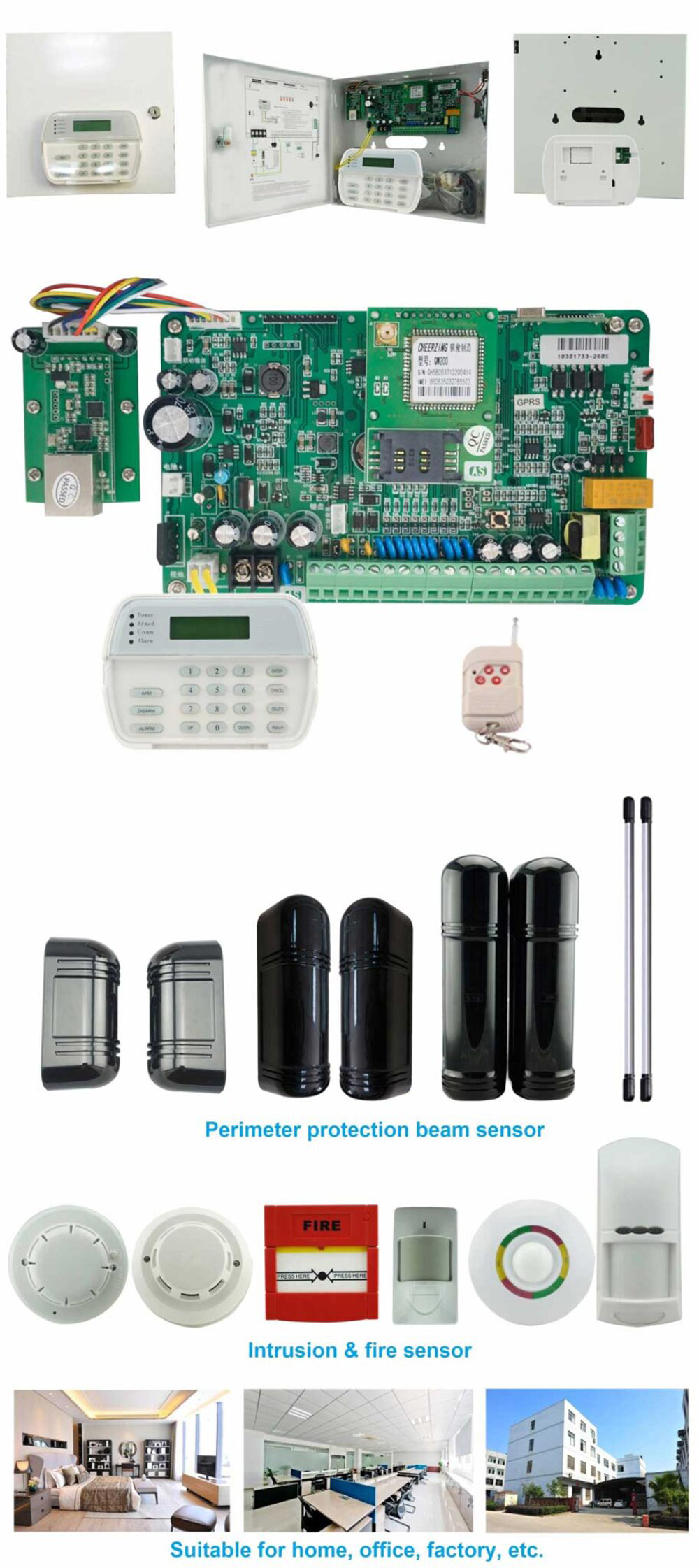
Athenalarm के प्रकाशित AS-9000 documentation में RS-485 addressable architecture, up to 1,656 addressable zones, 16 onboard wired zones, 30 wireless zones तथा model के अनुसार TCP/IP, 4G LTE और PSTN communication configurations का उल्लेख है। प्रकाशित product information में AS-ALARM network alarm-center software, event logging, CCTV/video-verification functions और OEM/ODM customization भी वर्णित हैं।
उसी product documentation में 32-bit ARM processor, लगभग 1,500 event records, power monitoring, backup battery management, tamper monitoring और surge protection का भी उल्लेख है।
ये manufacturer evidence points हैं।
इन evidence points को project-specific validation activities में बदलना चाहिए।
यदि RS-485 expansion project specification का हिस्सा है, तो integrator को actual project topology, cable conditions और far-end power conditions validate करनी चाहिए।
यदि 1,656 addressable zones project discussion का हिस्सा हैं, तो buyer को establish करना चाहिए कि zones physically कैसे distributed होंगे, कितने modules आवश्यक होंगे तथा addressing और power implementation कैसे किया जाएगा।
यदि TCP/IP, 4G LTE और PSTN उपलब्ध हैं, तो buyer को target market के लिए आवश्यक communication architecture को test करना चाहिए। तीन interfaces की मौजूदगी को स्वतः fully independent multi-path architecture नहीं माना जाना चाहिए।
यदि network alarm-center software उपयोग किया जाता है, तो actual CMS workflow test किया जाना चाहिए।
यदि CCTV integration आवश्यक है, तो target VMS environment में परीक्षण किया जाना चाहिए।
यदि OEM project के लिए firmware customization आवश्यक है, तो production से पहले revision-control और maintenance responsibilities document की जानी चाहिए।
मुख्य principle यह है:
Datasheet यह evidence है कि manufacturer अपने platform के बारे में क्या support claim करता है। Qualification test यह evidence है कि specific project configuration वास्तव में काम करती है।
यही distinction Athenalarm और अन्य competing manufacturers पर समान रूप से लागू होनी चाहिए।
वाणिज्यिक अलार्म पैनल manufacturer qualification checklist
Hardware
- Zone architecture documented है या नहीं।
- RS-485 topology और maximum loading defined है या नहीं।
- Power budget और backup behavior documented है या नहीं।
- Protection और expansion architecture समझी गई है या नहीं।
- Maximum expected load पर remote-device stability test किया गया है या नहीं।
Communication
- Ethernet और cellular paths actual project configuration में tested हैं या नहीं।
- Failover demonstrated है या केवल claimed है।
- Heartbeat documented है या नहीं।
- Timeout behavior documented है या नहीं।
- ACK और retry behavior documented है या नहीं।
- Reconnection behavior tested है या नहीं।
- Path independence के common failure points documented हैं या नहीं।
Protocol
- Exact SIA DC-09 revision identified है या नहीं।
- Contact ID support target CMS के लिए verified है या नहीं।
- Encryption और security configuration documented है या नहीं।
- Event mapping documented है या नहीं।
- Actual receiver configuration में interoperability record उपलब्ध है या नहीं।
CMS
- Actual receiver configuration tested है या नहीं।
- Alarm और restore events verified हैं या नहीं।
- Communication loss verified है या नहीं।
- AC और battery fault events verified हैं या नहीं।
- Primary और secondary path behavior verified है या नहीं।
- ACK timeout behavior verified है या नहीं।
- Duplicate event handling verified है या नहीं।
Integration
- Required VMS interface tested है या नहीं।
- Access-control interface tested है या नहीं।
- BAS integration tested है या नहीं।
- API ownership documented है या नहीं।
- Authentication requirements documented हैं या नहीं।
- Versioning और backward compatibility documented हैं या नहीं।
Firmware
- Firmware release policy documented है या नहीं।
- Hardware revision compatibility documented है या नहीं।
- Backward compatibility documented है या नहीं।
- Legacy module support documented है या नहीं।
- Upgrade procedure documented है या नहीं।
- Recovery procedure documented है या नहीं।
- Security-response process documented है या नहीं।
Commercial
- OEM/ODM scope defined है या नहीं।
- MOQ defined है या नहीं।
- Lead time documented है या नहीं।
- Spare-parts policy documented है या नहीं।
- Technical support process documented है या नहीं।
- Production continuity और revision notification process documented है या नहीं।
तकनीकी FAQ: वाणिज्यिक अलार्म पैनल procurement
बड़े वाणिज्यिक इंस्टॉलेशन में RS-485 अलार्म पैनल का मूल्यांकन कैसे करें?
सबसे पहले manufacturer से approved topology, cable limitations, node loading, termination, power distribution और diagnostic behavior मांगें। इसके बाद actual project topology और maximum connected load पर field test करें। केवल RS-485 interface की मौजूदगी बड़े site के लिए पर्याप्त प्रमाण नहीं है।
ईथरनेट और 4G LTE फेलओवर को कैसे सत्यापित करें?
Failure definition, heartbeat, timeout, failover trigger, ACK, retransmission और restoration behavior को document करें। फिर primary path को वास्तविक test condition में fail करके verify करें कि secondary path सक्रिय होता है और receiver तक event सही तरीके से पहुंचता है। दो interfaces को स्वतः दो independent paths न मानें।
SIA DC-09 समर्थन को सही तरीके से कैसे सत्यापित करें?
सिर्फ datasheet पर SIA DC-09 लिखा होना पर्याप्त प्रमाण नहीं है। Exact revision, transport method, security configuration, supervision, ACK behavior, supported event types, receiver configuration और panel तथा communicator firmware identify करें। फिर actual receiver configuration के साथ interoperability test record प्राप्त करें।
CMS receiver interoperability क्यों end-to-end test मांगती है?
क्योंकि alarm transmission केवल protocol पर निर्भर नहीं है। Panel event, communicator, network, receiver, parser, account configuration, ACK और CMS event mapping पूरी chain बनाते हैं। किसी एक स्तर पर mismatch होने से सही detector event गलत zone, गलत account या गलत operator display में दिखाई दे सकता है।
alarm bus में voltage drop का मूल्यांकन कैसे करें?
प्रारंभिक calculation के लिए (V_{drop}=I\times R) उपयोग करें। Resistance conductor material, gauge और total electrical path length पर निर्भर करती है। Two-wire DC power में round-trip conductor length को शामिल करें और maximum expected load पर सबसे दूर device का actual voltage verify करें।
SIA DC-09 और Contact ID में क्या अंतर है?
SIA DC-09 IP event-reporting standard है, जबकि Contact ID एक अलग alarm communication format है। Existing monitoring infrastructure में legacy event formats की आवश्यकता हो सकती है। Procurement में exact protocol implementation, receiver support और event mapping को target CMS के साथ verify करना चाहिए।
Distributor alarm-panel firmware lifecycle risk का मूल्यांकन कैसे कर सकता है?
Firmware revision history, supported hardware revisions, compatibility policy, update procedure, recovery procedure, legacy support और security-response policy मांगें। उद्देश्य installed base को obsolete hardware या unsupported firmware branch पर निर्भर होने से बचाना है।
OEM alarm panel specification में क्या शामिल होना चाहिए?
Branding, enclosure, model numbering, labels, wireless frequency, communication modules, firmware behavior, language, packaging, documentation, testing, MOQ, lead time, revision control और post-production support define किए जाने चाहिए।
Alarm panels को VMS, access control और BAS के साथ कैसे integrate करना चाहिए?
Event ownership, communication interface, data structure, authentication, command boundaries, versioning, failure handling और backward compatibility define करें। Simple relay integration और deeper API-based integration अलग operational requirements को address करते हैं।
नए alarm panel manufacturer को approve करने से पहले क्या test करना चाहिए?
Actual alarm और restore events, power faults, battery faults, RS-485 failures, primary-path failure, secondary-path failover, receiver acknowledgement, event mapping, duplicate handling, restart behavior और target CMS configuration test करें। Test record में exact panel, communicator, firmware और receiver configuration दर्ज करें।
निष्कर्ष: feature comparison से evidence-based platform qualification तक
वाणिज्यिक intrusion alarm panel manufacturer का मूल्यांकन complete operating chain के आधार पर किया जाना चाहिए:
| Operating layer | Qualification focus |
|---|---|
| Sensors | Correct event generation |
| Zones और RS-485 bus | Field communication और addressing |
| Alarm control panel | Event classification और logging |
| Power architecture | Operating margin और backup |
| Communication module | Session और transmission behavior |
| Ethernet, cellular और legacy path | Path availability और independence |
| Alarm transmission protocol | Correct protocol implementation |
| Receiver | Event acceptance और decoding |
| CMS और ARC | Event mapping और supervision |
| Operator workflow | Correct information और response context |
| Video, access और building integration | Required project integration |
| Firmware lifecycle | Revision continuity और installed-base support |
| Supply continuity | Long-term procurement support |
किसी भी interface पर failure एक otherwise capable panel के operational result को प्रभावित कर सकता है।
सबसे उपयोगी procurement model केवल feature checklist नहीं बल्कि evidence chain है:
Physical integrity, power margin, bus integrity, communication resilience, protocol compliance, receiver interoperability, integration ownership, firmware lifecycle और supply continuity को documented evidence और repeatable testing के साथ qualify किया जाना चाहिए।
Unit price महत्वपूर्ण है। Zone capacity महत्वपूर्ण है। MOQ, lead time और OEM capability भी महत्वपूर्ण हैं।
लेकिन इनमें से कोई भी variable engineering support से स्वतंत्र नहीं है।
यदि low-cost panel को installation के बाद अत्यधिक field troubleshooting की आवश्यकता होती है, तो total deployment cost बढ़ सकती है। यदि किसी panel की theoretical zone capacity बड़ी है लेकिन bus-loading assumptions स्पष्ट नहीं हैं, तो actual deployment कठिन हो सकता है। यदि communicator में multiple interfaces हैं लेकिन वे कई common failure points share करते हैं, तो communication resilience सीमित हो सकती है। यदि datasheet पर protocol listed है लेकिन target receiver event को अलग तरीके से interpret करता है, तो additional engineering work आवश्यक हो सकता है।
इसलिए commercial alarm panel procurement को feature comparison से evidence-based platform qualification की ओर ले जाना चाहिए।
Manufacturer qualification file में engineering team को sales interpretation पर निर्भर हुए बिना कम से कम पांच प्रश्नों का उत्तर documentation, calculations और repeatable field tests से मिलना चाहिए:
Field network को कैसे engineer किया जाता है?
Alarm event monitoring center तक कैसे पहुंचता है?
महत्वपूर्ण communication layers में failure होने पर system का documented behavior क्या है?
क्या actual CMS receiver configuration का end-to-end परीक्षण किया गया है?
क्या manufacturer future production और firmware revisions में वही technical behavior बनाए रखने में सक्षम है?
जब इन प्रश्नों के उत्तर documentation, engineering calculations और repeatable field tests से दिए जा सकते हैं, तब alarm panel केवल hardware product नहीं रहता। वह deployable engineering platform बन जाता है।
Distributors, importers, OEM brand owners और security system integrators के लिए long-term procurement का engineering आधार feature count नहीं बल्कि यह evidence होना चाहिए कि manufacturer protected site से monitoring center तक और installed base के पूरे lifecycle में predictable technical behavior प्रदान कर सकता है।